OPERATIONAL INTELLIGENCE FOR CRITICAL CARE
CONTINUOUS MACHINE VIGILANCE // HUMAN CLINICAL JUDGMENT
OPERATIONAL INTELLIGENCE FOR CRITICAL CARE
CONTINUOUS MACHINE VIGILANCE // HUMAN CLINICAL JUDGMENT
PHYSICS-INFORMED COMPUTATIONAL PHYSIOLOGY
Vigilia is developing a specialized modeling core that analyzes continuous waveforms, telemetry, ventilator data, and bedside monitoring to characterize patient state, trajectory, and emerging risk.
Biophysical World Models
Vigilia deploys advanced Physics-Informed Neural Networks (PINNs) to map continuous physiological data streams into predictive, real-time biological simulations. By constraining deep-learning models with the fundamental biophysical laws of hemodynamics and pulmonary mechanics, the platform generates high-accuracy simulations of patient trajectories. These predictive analytics empower intensive care teams to anticipate clinical deterioration hours before it manifests at the bedside.
PHYSICS-INFORMED COMPUTATIONAL PHYSIOLOGY
Vigilia is developing a specialized modeling core that analyzes continuous waveforms, telemetry, ventilator data, and bedside monitoring to characterize patient state, trajectory, and emerging risk.
TARGETED CLINICAL DECISION SUPPORT
A complementary reasoning core is designed to integrate structured EHR data, clinical notes, labs, medications, and interventions with modeled physiology, providing evidence-grounded, patient-specific guidance to the critical-care team.
Introduction
Continuous Intelligence for High-Acuity Care

A CLINICAL FORCE MULTIPLIER
Vigilia is designed to maintain continuous machine vigilance as patient conditions evolve, helping critical-care teams focus limited attention on the signals and decisions that matter most. Earlier recognition of emerging risk can give clinicians more time to assess and intervene. Better-timed decisions may also support safer transfer to lower-acuity care and more effective use of critical-care capacity.
PREDICTIVE CLINICAL VIGILANCE
Vigilia is designed to process continuous physiologic data and asynchronous clinical information through two specialized computational cores. Their outputs converge in a dynamic, patient-specific Clinical State Model representing state, trajectory, and emerging risk. As risk emerges, that representation is intended to surface relevant contributors, physiologic interpretation, and evidence-grounded guidance while preserving human clinical judgment.
A Clinical Force Multiplier
Vigilia ensures that high-acuity expertise is always present to support complex decision-making in the ICU.
By identifying sub-clinical physiological shifts, the platform provides a decisive lead-time advantage for clinical intervention..
Predictive foresight also drives institutional excellence by identifying discharge readiness earlier, streamlining ICU throughput, and ensuring critical resources are aligned with dynamic institutional demand.
Predictive ICU Vigilance
Our Physics-Informed Neural Network (PINN) generates a detailed ‘patient state’ analysis, integrating real-time ICU monitoring and the ‘unstructured data’ of the EHR.
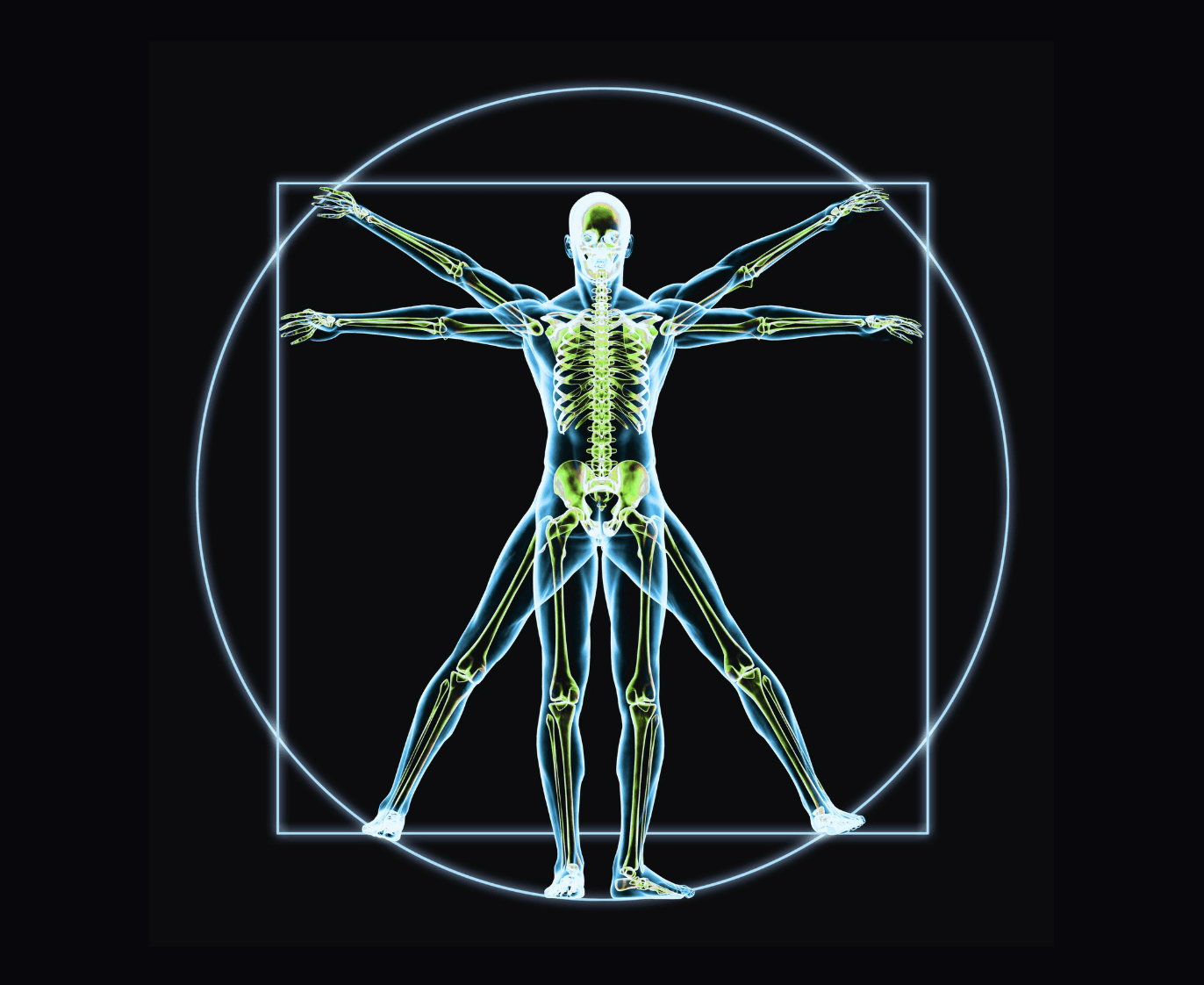
Utilizing a World Model approach, we construct ‘Digital Twins’ for patients, enabling high-fidelity simulation of clinical interventions.

Our Foundation
The Vigilia Medicus Platform





Features
Engineered for Precision High-Acuity Care
Engineered for Precision
Engineered for Precision High Acuity Care
High Acuity Care
Physics-Informed Neural Network (PINN)
Anchoring clinical simulation in physiological ground truth.
Sovereign Infrastructure
Adaptive Thresholds
Seamless Integration
Physics-Informed Neural Network
Sovereign Infrastructure
Adaptive Thresholds
Seamless Integration

OPERATIONAL INTELLIGENCE FOR CRITICAL CARE
CONTINUOUS MACHINE VIGILANCE // HUMAN CLINICAL JUDGMENT
OPERATIONAL INTELLIGENCE FOR CRITICAL CARE
CONTINUOUS MACHINE VIGILANCE // HUMAN CLINICAL JUDGMENT
PHYSICS-INFORMED COMPUTATIONAL PHYSIOLOGY
Vigilia is developing a specialized modeling core that analyzes continuous waveforms, telemetry, ventilator data, and bedside monitoring to characterize patient state, trajectory, and emerging risk.
Biophysical World Models
Vigilia deploys advanced Physics-Informed Neural Networks (PINNs) to map continuous physiological data streams into predictive, real-time biological simulations. By constraining deep-learning models with the fundamental biophysical laws of hemodynamics and pulmonary mechanics, the platform generates high-accuracy simulations of patient trajectories. These predictive analytics empower intensive care teams to anticipate clinical deterioration hours before it manifests at the bedside.
PHYSICS-INFORMED COMPUTATIONAL PHYSIOLOGY
Vigilia is developing a specialized modeling core that analyzes continuous waveforms, telemetry, ventilator data, and bedside monitoring to characterize patient state, trajectory, and emerging risk.
TARGETED CLINICAL DECISION SUPPORT
A complementary reasoning core is designed to integrate structured EHR data, clinical notes, labs, medications, and interventions with modeled physiology, providing evidence-grounded, patient-specific guidance to the critical-care team.
Introduction
Continuous Intelligence for High-Acuity Care
A CLINICAL FORCE MULTIPLIER
Vigilia is designed to maintain continuous machine vigilance as patient conditions evolve, helping critical-care teams focus limited attention on the signals and decisions that matter most. Earlier recognition of emerging risk can give clinicians more time to assess and intervene. Better-timed decisions may also support safer transfer to lower-acuity care and more effective use of critical-care capacity.
PREDICTIVE CLINICAL VIGILANCE
Vigilia is designed to process continuous physiologic data and asynchronous clinical information through two specialized computational cores. Their outputs converge in a dynamic, patient-specific Clinical State Model representing state, trajectory, and emerging risk. As risk emerges, that representation is intended to surface relevant contributors, physiologic interpretation, and evidence-grounded guidance while preserving human clinical judgment.
A Clinical Force Multiplier
Vigilia ensures that high-acuity expertise is always present to support complex decision-making in the ICU.
By identifying sub-clinical physiological shifts, the platform provides a decisive lead-time advantage for clinical intervention..
Predictive foresight also drives institutional excellence by identifying discharge readiness earlier, streamlining ICU throughput, and ensuring critical resources are aligned with dynamic institutional demand.
Predictive ICU Vigilance
Our Physics-Informed Neural Network (PINN) generates a detailed ‘patient state’ analysis, integrating real-time ICU monitoring and the ‘unstructured data’ of the EHR.
Utilizing a World Model approach, we construct ‘Digital Twins’ for patients, enabling high-fidelity simulation of clinical interventions.
Our Foundation
The Vigilia Medicus Platform
Features
Engineered for Precision High-Acuity Care
Engineered for Precision
Engineered for Precision High Acuity Care
High Acuity Care
Physics-Informed Neural Network (PINN)
Anchoring clinical simulation in physiological ground truth.
Sovereign Infrastructure
Adaptive Thresholds
Seamless Integration
Physics-Informed Neural Network
Sovereign Infrastructure
Adaptive Thresholds
Seamless Integration